
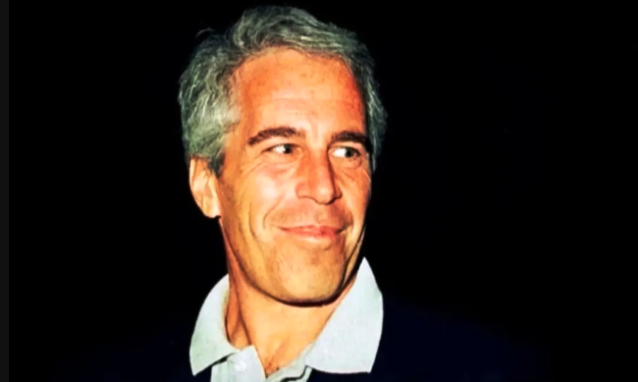
Under President Trump, and especially highlighted during the 2024 bids for the presidential election, the critical importance of the release of the Epstein Files was emphasized. Trump pledged to release these files to the public and mandated such when he signed the Epstein Files Transparency Act into law on November 19, 2025, making the release of the documents contained within the files begin. New documents have been released just recently, totalling the amount of documents to over “6 million pages of documents, images, and videos” that contain and detail the crimes of convicted child sex offender and felon Jeffrey Epstein and those he engaged in crimes with. With many of those with whom Epstein is alleged to have engaged in crimes being high-profile public figures and powerful individuals, much controversy has arisen regarding the files.
On January 30th 2026, the Department of Justice released millions of additional documents considered a part of the Epstein Files. With these newly released documents, as well as with previously released documents, people have alleged that much information is missing, has been removed, or has been redacted. Despite this, lawyers who represent victims of Jeffrey Epstein have called for the removal of the files, as failure to redact victims’ names occurred. These lawyers have cited this as “the single most egregious violation of victim privacy in one day in United States history,” in fact. Further controversy has abounded with the documents mentioning many high-profile figures, such as billionaire Elon Musk and billionaire Bill Gates, who both function as highly influential public figures.
However, despite controversy and redactions (and areas where victims’ names should’ve been redacted but weren’t), this new release of Epstein files has raised more questions than it has answered, especially in relation to celebrities, politicians, or other influential persons’ engagement with Epstein and the crimes he committed. In fact, President Trump and former President Bill Clinton were mentioned within the documents in connection with Epstein. While this is not necessarily newfound knowledge, as their names and documents that mention their alleged ties to Epstein appeared in previous files, it is still a key piece of information that many are focused on. What most aren’t sure about, however, is the true nature of the ties between powerful individuals and Epstein. Since the most that people can do is speculate, it is true in statement that these new files, although rightfully providing more information to the public, have not fully answered the growing and more demanding questions about Epstein.
As questions loom unanswered, and as the newly released files do little to satisfy them, instead posing more questions, many people certainly grow further concerned about the future of America, especially with the potential implications that politicians who run the country’s government are involved in nefarious activities. Ultimately, while the release of these files marks a step toward transparency, it falls short of delivering the clarity and accountability the public demands. The unanswered questions surrounding Epstein’s network of crime continue to erode trust in institutions meant to uphold justice and democratic values, preparing Americans to face the hard question that they must confront: whether or not the release of these files has been fully adequate in delivering justice.
About The Author
