
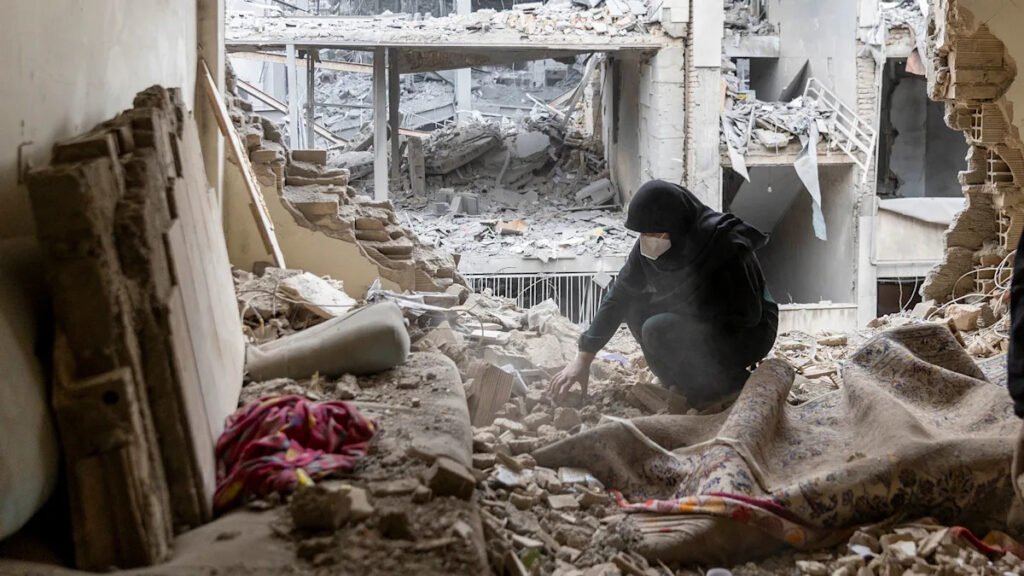
Since the war in Iran, perpetuated by Israel and the United States, began in February, nearly every American has felt the impacts. The Strait of Hormuz, located precariously within the Middle East between Oman, Iran, the UAE, and others, is one of the world’s most important sea passages, with significant oil trade passing through the area. Since the war began, the strait has been forcibly closed, with hundreds of ships stranded in the strait. The result of the Strait’s closure has been felt heavily in the USA, but also throughout the whole world, as oil prices and, therefore, gas prices, have spiked everywhere. Oil prices have risen by over $50 since last year. Oil prices have, therefore, become a source of political contention throughout the United States.
Beyond oil prices, the war in Iran has seen significant changes since it began, with some shaky ceasefires aimed at mediating the conflict. In early April, a two-week ceasefire with Iran was reached between Iran and the United States, but Israel was not a member and continued with bombings. Further talks were brokered, but no full agreement was reached. Negotiations between Israel and several countries, most notably between Israel and Lebanon, have also occurred. The Strait of Hormuz, despite being talked over heavily within many of these negotiations, remains closed.
Another key issue, specifically highlighted by Americans, are the deaths of American soldiers and citizens that have occurred. In fact, “most reliable mainstream counts from U.S. and international news outlets report that 13 American service members have been killed” since the war began. Amongst individuals who have died who are not American, estimates of death are much higher, circulating between 1,800 and 7,000+ individuals, both military and regular citizens, who have died. Equipment losses have totalled in the several billions as well.
Oil prices have impacted Americans and others greatly, with prices for energy and gas skyrocketing. The stock market and American business have been fluctuating greatly, hitting lows and highs inconsistently, making normal economic practices difficult to achieve for many. People have died in significant numbers. War is ravaging numerous countries and destroying property, resources, and people’s lives. These losses and issues stemming from the conflict, in all forms, have led to an important question many Americans are now further asking themselves: Is the war worth it?
About The Author
